k9edinburgh
k9edinburgh
  • Home
  • About
  • Services
  • Training
  • Puppies
  • Problem Solver
  • Testimonials
  • Contact
  • More
    • Home
    • About
    • Services
    • Training
    • Puppies
    • Problem Solver
    • Testimonials
    • Contact

  • Home
  • About
  • Services
  • Training
  • Puppies
  • Problem Solver
  • Testimonials
  • Contact

Shyness

Training can start much earlier — as soon as the puppy finishes their vaccination period, which is at eight to ten weeks old.

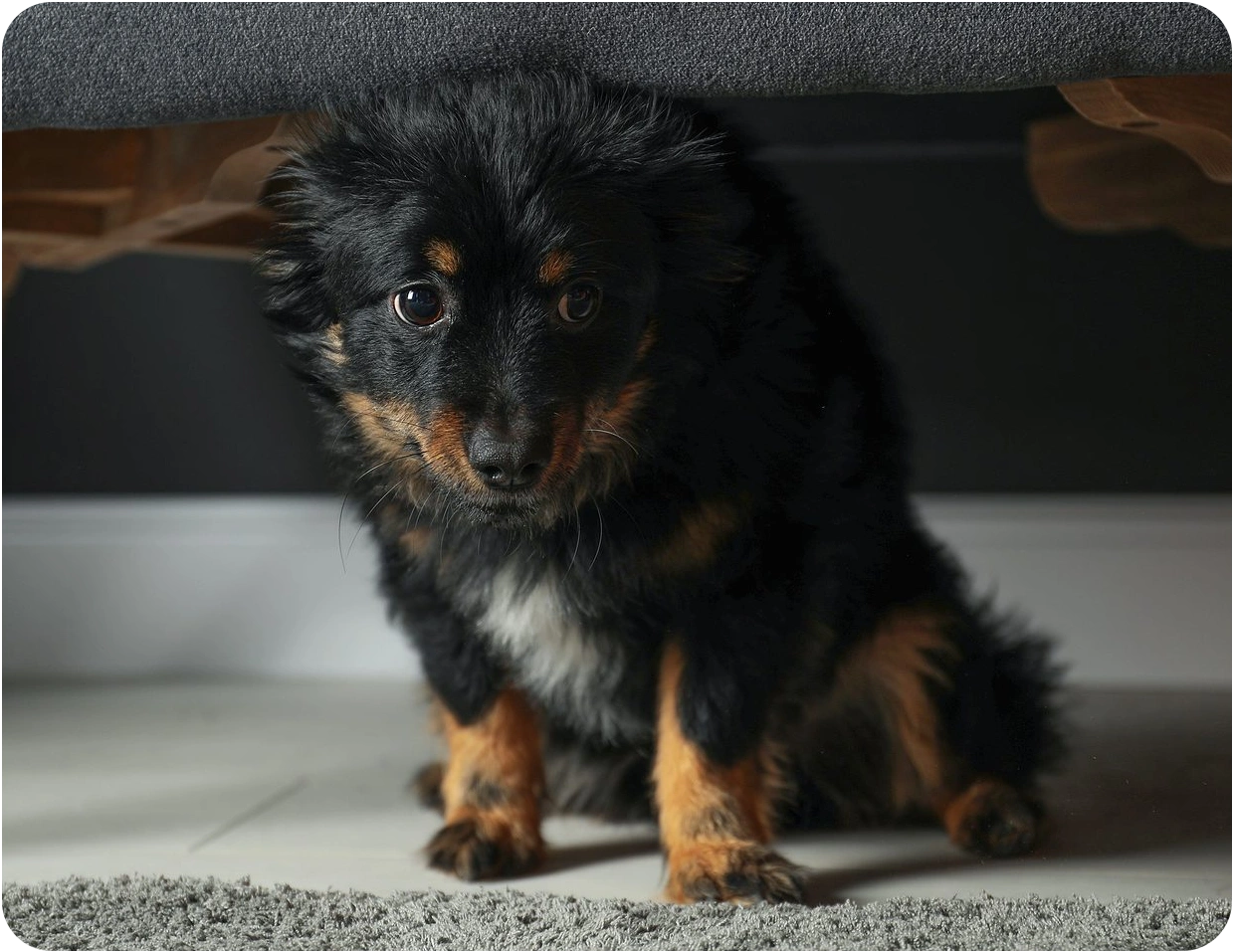
Fearfulness can be an outgrowth of shyness. A shy and fearful dog is one who panics quickly because of loud noises, the approach of strangers, a car ride, or just going out for a walk. He may hide, freeze, urinate, defecate, whine, or run barking to a safe place. The usual outward appearance of a shy and fearful dog is one who rolls over submissively, lays his ears back, or folds his tail between his legs. 

Shyness in itself is not a problem. It is when the shyness, representing certain fears the dog may have, results in growling, snapping or biting as defense behavior. A shy dog growling, snapping or biting as defense  behavior. A shy dog is one that has not been properly socialized during the critical period before weaning. He may be a dog who was always kept in a kennel away from human contact or a dog who has been with a quiet, single, sedentary person. The shy dog usually becomes overdependent on his caregiver, and many times that person inadvertently reinforces shy behavior by trying to coax or calm him. This is not to say that a shy dog does not make a good pet. He may be an ideal companion for someone who lives alone and rather quietly. This is also not to say that a shy dog cannot be rehabilitated. It will take some time, Obedience training, and patience! 

Schedule a Consultation

 There are several things you can do to help your dog overcome his shyness. First, check with your veterinarian to see if there is any organic cause to this behavior. A diet that reduces stress may help. It is very important that you do not give him attention for rolling over and urinating, whining, barking, or running off and hiding when visitors come to the door or when strangers approach. Keep in mind that this shyness is a manifestation of fear. Ignore these behaviors and praise him at the times when he is showing courage and confidence. If he is acting fearfully around certain situations or strangers, you act happily, laugh, and talk as if it is not all that serious. Dogs mimic so he will pick up on your ease during his anxious moments. Let him approach a stranger rather than vice versa. The stranger or person whom he fears should always crouch down and allow him to approach. Petting should be on his chest rather than his head. Arm your visitors with food treats as rewards whenever he approaches.  

Book now

Can't figure out the issue?

Call Marco and describe what's happening. 

You'll get clear guidance on whether K9 Edinburgh is the right fit for your dog.

Call 07748097464

Copyright © 2026 k9edinburgh - All Rights Reserved.

  • Home
  • About
  • Services
  • Training
  • Puppies
  • Problem Solver
  • Testimonials
  • Contact
  • Obedience
  • Behaviour
  • Videos
  • Latest Newspaper Articles
  • House Braking
  • Eating Habits
  • Jumping On People
  • Biting Hands
  • Biting Furniture
  • Destructive Attitude
  • Separation Syndrome
  • Shyness
  • Sheep Worriers
  • Excessive Aggresiveness
  • Dog vs Dog
  • Chasing
  • Dominance Aggression
  • Sibling Rilvary
  • Pain Induced Aggression
  • Dog Agility

This website uses cookies.

We use cookies to analyze website traffic and optimize your website experience. By accepting our use of cookies, your data will be aggregated with all other user data.

DeclineAccept